Nombre total de pages vues

27/05/2024

NUCLEAIRE - Comment survivre à une explosion nucléaire ? Les premières 24 heures: prenez une douche et restez à l'intérieur

L'endroit où vous vous trouvez dans les 24 heures qui suivent une explosion est essentiel pour réduire l'exposition aux radiations et donc pour votre santé. Si certains niveaux de dommages causés par les radiations peuvent être traités, il arrive un moment où rien ne peut être fait, a déclaré Kathryn Higley, professeur de sciences nucléaires à l'université d'État de l'Oregon, à Insider.

©Shutterstock

26/05/2024

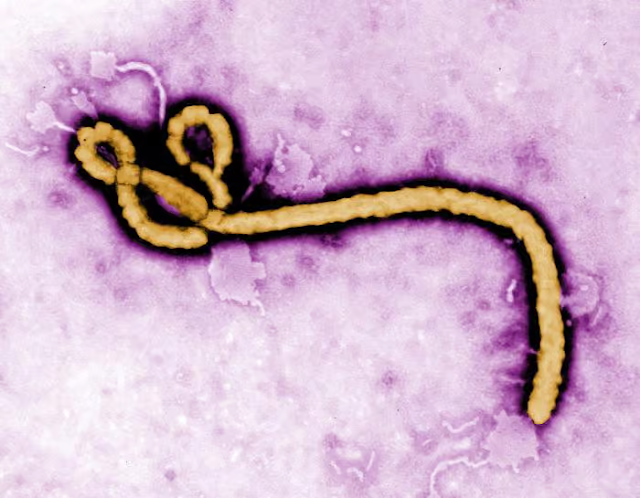
SANTé/MEDECINE - Virus et bactéries mortels - Ebola : le virus à la mortalité la plus élevée ?


Connu depuis 1976, le virus Ebola, du nom d'une rivière congolaise, est l'un des plus mortels. Certaines de ses souches entraînent des fièvres hémorragiques qui tuent dans 90 % des cas. Ce virus a causé plusieurs épidémies en Afrique, notamment en Sierra Leone, en Guinée et au Liberia, faisant plusieurs milliers de victimes. On ne dispose malheureusement d'aucun traitement préventif ni thérapeutique contre ce terrible fléau.

© Frederic Murphy, CDC

NUCLEAIRE - Comment survivre à une explosion nucléaire ? Les bâtiments sur plusieurs étages

Si vous vous abritez dans un bâtiment à plusieurs étages, essayez de rester au centre, surtout s'il y a des fenêtres, et évitez les étages supérieurs et inférieurs. Les ondes de choc peuvent briser les vitres jusqu'à 16 km de distance d'une explosion, c'est pourquoi il est important de rester à l'écart des fenêtres.

©Shutterstock

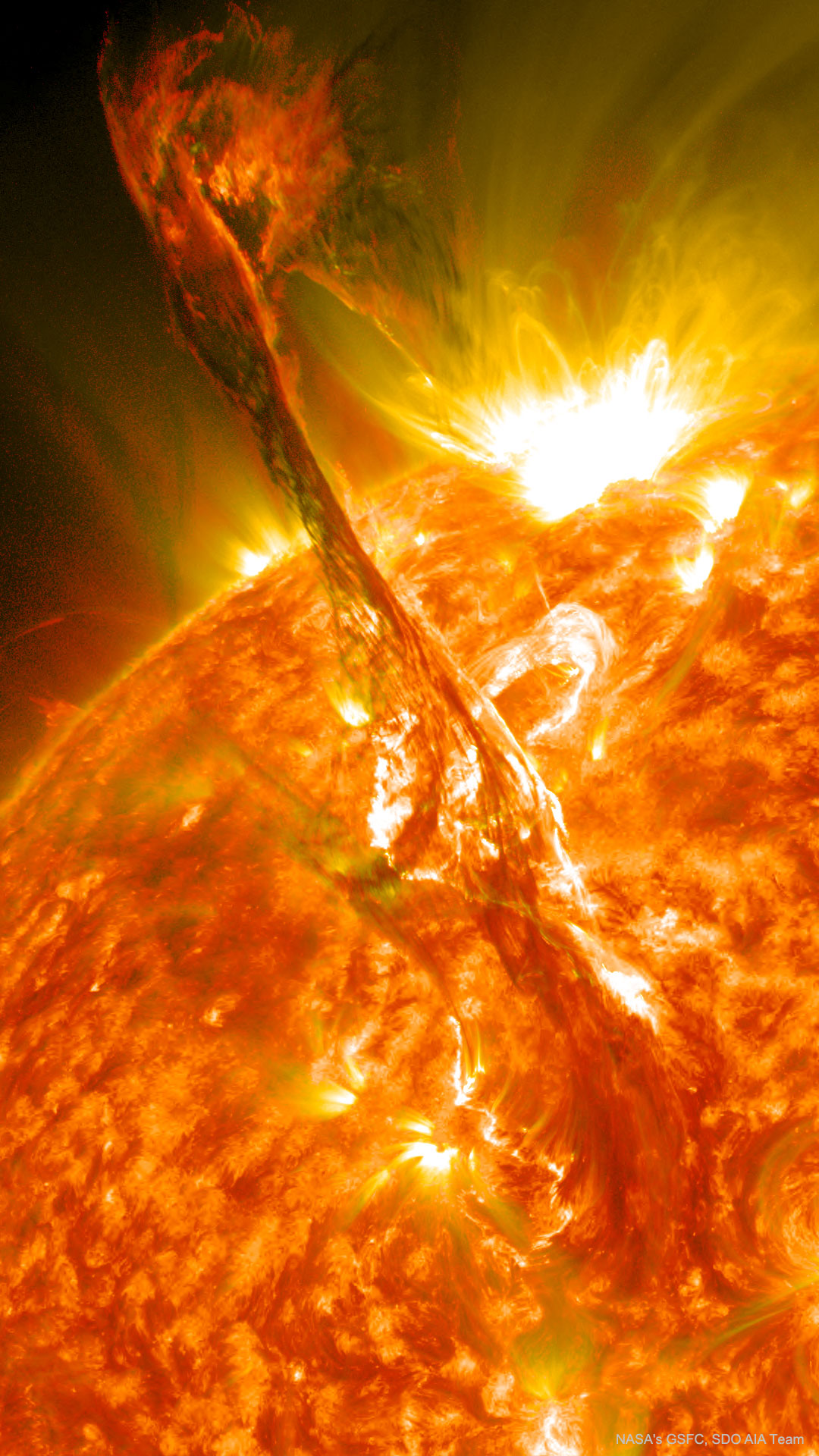
ASTRONOMY - A Solar Filament Erupts

 2024 May 26

A large filament on the upper left is seen lifting 
away from the Sun, pictured on the lower right.
Please see the explanation for more detailed information.

A Solar Filament Erupts
Image Credit: NASA's GSFCSDO AIA Team

Explanation: What's happened to our Sun? Nothing very unusual -- it just threw a filament. Toward the middle of 2012, a long standing solar filament suddenly erupted into space, producing an energetic coronal mass ejection (CME). The filament had been held up for days by the Sun's ever changing magnetic field and the timing of the eruption was unexpectedWatched closely by the Sun-orbiting Solar Dynamics Observatory, the resulting explosion shot electrons and ions into the Solar System, some of which arrived at Earth three days later and impacted Earth's magnetosphere, causing visible auroras. Loops of plasma surrounding the active region can be seen above the erupting filament in the featured ultraviolet image. Our Sun is nearing the most active time in its 11-year cycle, creating many coronal holes that allow for the ejection of charged particles into space. As before, these charged particles can create auroras.

25/05/2024

NUCLEAIRE - Comment survivre à une explosion nucléaire ? Les abris idéaux

Le gouvernement américain insiste sur le fait que les espaces extérieurs, les véhicules et les camping-cars ne constituent pas des abris adéquats. Il est préférable de se réfugier dans des bâtiments en briques ou en béton, comme des écoles ou des bureaux, avec peu ou pas de fenêtres et, idéalement, un sous-sol pour dormir. S'il n'y a pas de bâtiments solides dans les environs, essayez tout de même de vous réfugier à l'intérieur et de vous éloigner des fenêtres.

©Shutterstock

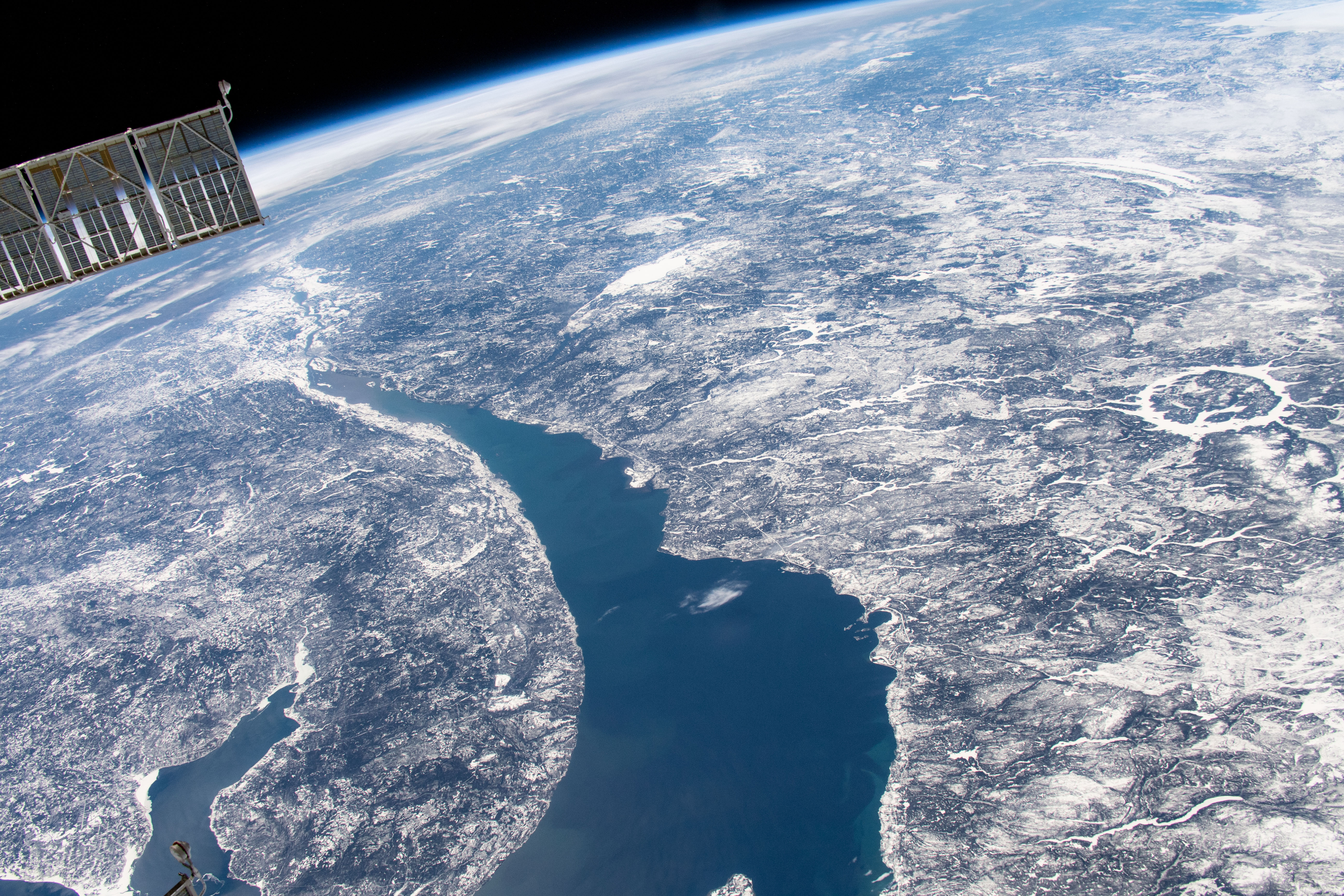
ASTRONOMY - Manicouagan Impact Crater from Space

 2024 May 25

See Explanation.  Clicking on the picture will download
 the highest resolution version available.

Manicouagan Impact Crater from Space
Image Credit: NASA, International Space Station Expedition 59

Explanation: Orbiting 400 kilometers above Quebec, Canada, planet Earth, the International Space Station Expedition 59 crew captured this snapshot of the broad St. Lawrence River and curiously circular Lake Manicouagan on April 11. Right of center, the ring-shaped lake is a modern reservoir within the eroded remnant of an ancient 100 kilometer diameter impact crater. The ancient crater is very conspicuous from orbit, a visible reminder that Earth is vulnerable to rocks from space. Over 200 million years old, the Manicouagan crater was likely caused by the impact of a rocky body about 5 kilometers in diameter. Currently, there is no known asteroid with a significant probability of impacting Earth in the next century. Each month, NASA’s Planetary Defense Coordination Office releases an update featuring the most recent figures on near-Earth object close approaches, and other facts about comets and asteroids that could pose a potential impact hazard with Earth.

24/05/2024

SANTé/MEDECINE - Virus et bactéries mortels - Bacillus anthracis, la bactérie à l'origine de l'anthrax


La maladie du charbon, ou anthrax, est due à une bactérie nommée Bacillus anthracis, ou bacille du charbon. Le plus souvent, celle-ci pénètre dans l'organisme par l'intermédiaire d'une blessure dans la peau. Le corps parvient alors à s'en débarrasser tout seul.

En revanche, lorsque les spores de la bactérie sont avalées ou respirées, c'est une tout autre histoire. Par voies aériennes, elle n'est pas loin d'être mortelle dans 100 % des cas. C'est pour cela qu'elle inspire autant les bioterroristes.

© Janice Haney Carr, CDC


ASTRONOMY - M78 from the Euclid Space Telescope

 2024 May 24

A star field filled with complex dark dust and bright
purple nebulas is shown. 
Please see the explanation for more detailed information.

M78 from the Euclid Space Telescope
Image Credit & LicenseESAEuclidEuclid ConsortiumNASA; Processing: J.-C. Cuillandre (CEA Paris-Saclay), G. Anselmi

Explanation: Star formation can be messy. To help find out just how messy, ESA's new Sun-orbiting Euclid telescope recently captured the most detailed image ever of the bright star forming region M78. Near the image center, M78 lies at a distance of only about 1,300 light-years away and has a main glowing core that spans about 5 light-years. The featured image was taken in both visible and infrared light. The purple tint in M78's center is caused by dark dust preferentially reflecting the blue light of hot, young stars. Complex dust lanes and filaments can be traced through this gorgeous and revealing skyscape. On the upper left is associated star forming region NGC 2071, while a third region of star formation is visible on the lower right. These nebulas are all part of the vast Orion Molecular Cloud Complex which can be found with even a small telescope just north of Orion's belt.

NUCLEAIRE - Comment survivre à une explosion nucléaire ? Trouvez un abri

Irwin Redlener conseille de chercher un abri dans la direction opposée aux bâtiments en ruine et dans la direction opposée au vent. Si vous ne vous trouvez pas à proximité d'un abri connu, essayez de vous éloigner le plus possible de l'explosion dans les 10 à 15 minutes qui suivent, puis mettez-vous immédiatement à l'abri pour éviter le nuage de radiations qui redescend.

©Shutterstock

23/05/2024

NUCLEAIRE - Comment survivre à une explosion nucléaire ? L'exposition aux radiations

Selon le Johns Hopkins Center for Health Security, le risque d'exposition aux radiations diminue de 55 % une heure après une explosion et de 80 % après 24 heures.

©Shutterstock

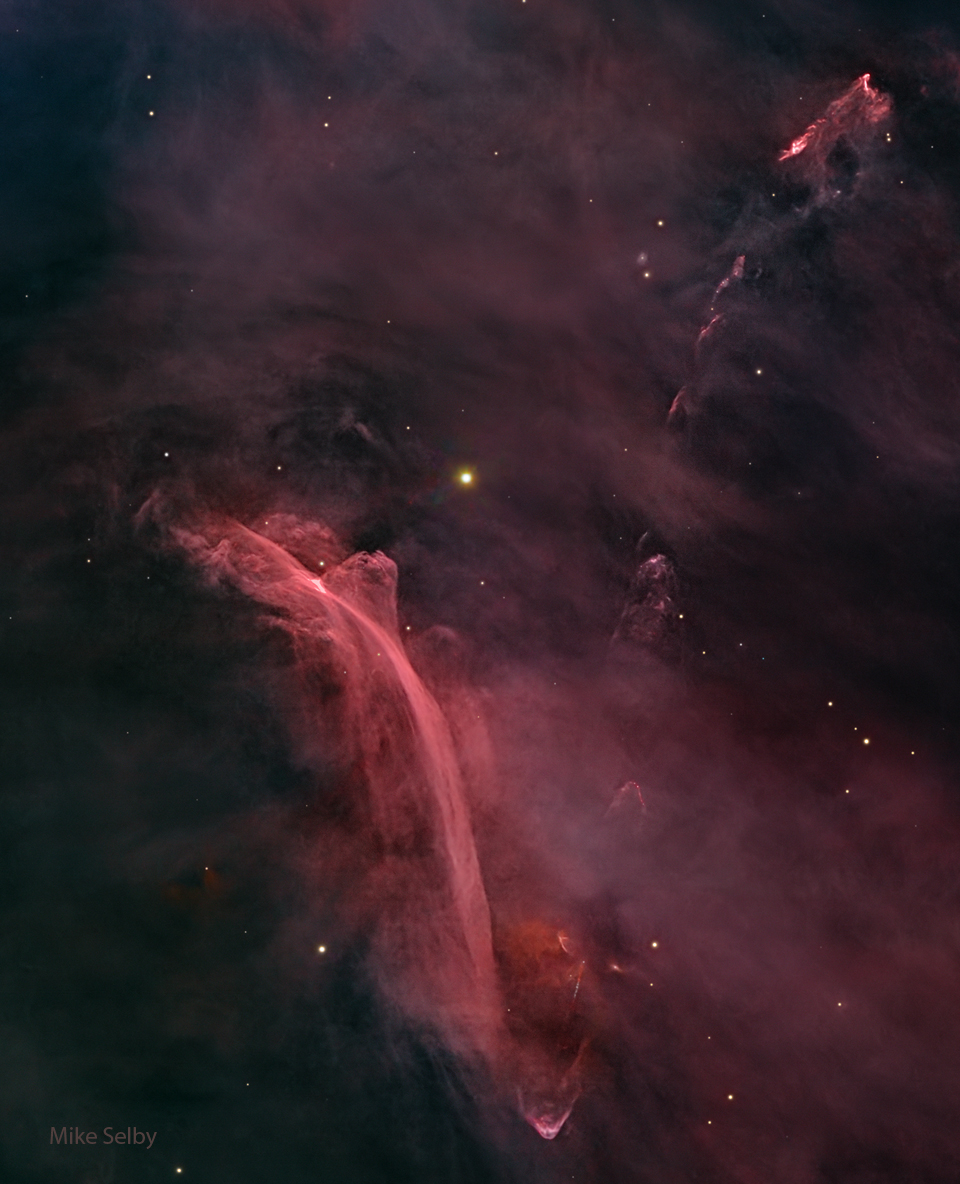
ASTRONOMY - HH-222: The Waterfall Nebula

 2025 December 31 HH-222: The Waterfall Nebula Image Credit & Copyright:  Mike Selby Explanation:  What created the Waterfall Nebula? Th...