Nombre total de pages vues

10/05/2023

ASTRONOMY - Milky Way over Egyptian Desert

 2023 May 10

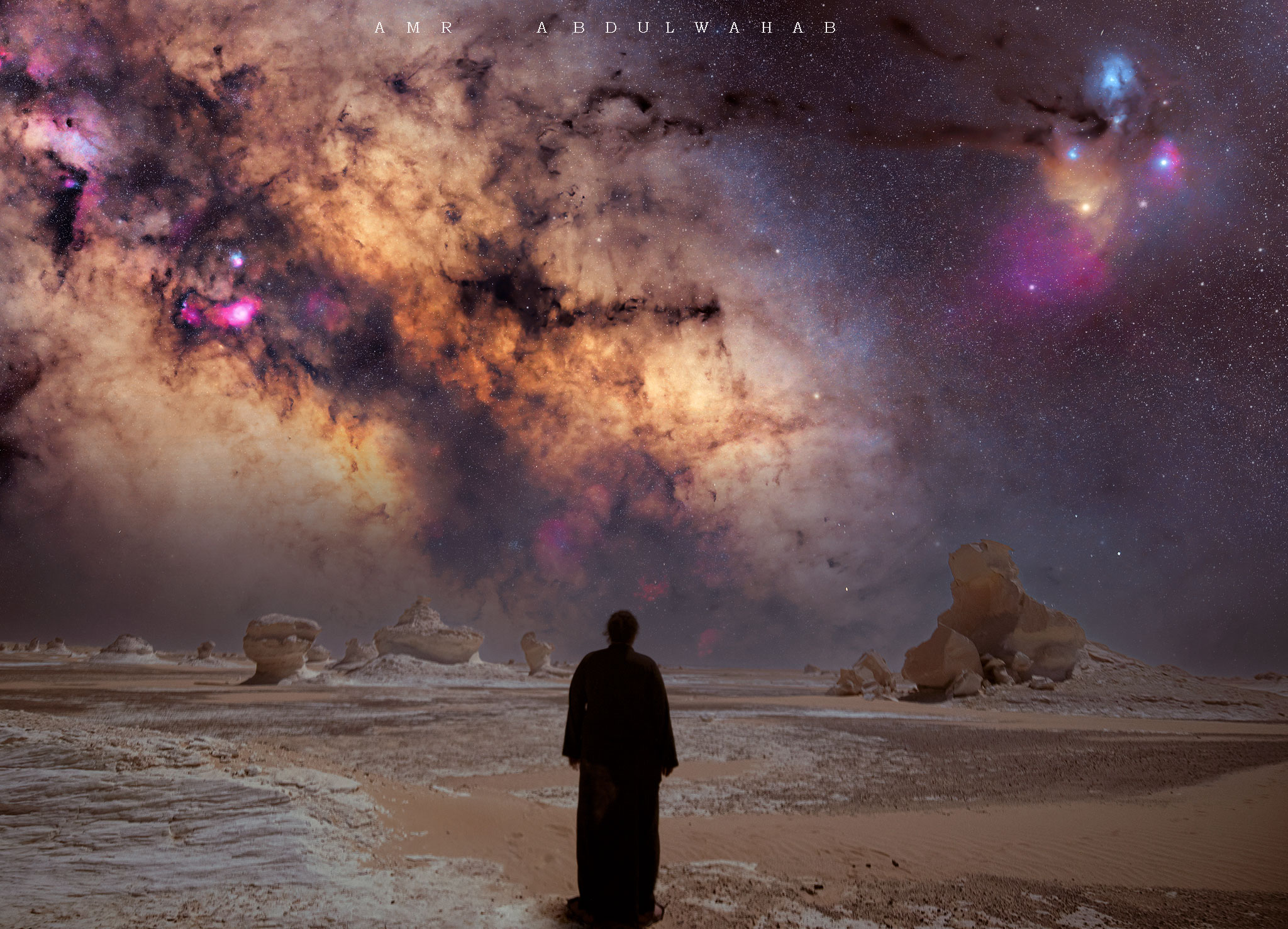
A person in silhouette looks out over a desert punctuated by
unusual rock formations. High above is a colorful sky including the
band of our Milky Way Galaxy and the Rho Ophiuchi star clouds.
Please see the explanation for more detailed information.

Milky Way over Egyptian Desert
Image Credit & Copyright: Amr Abdelwahab

Explanation: For ten years the stargazer dreamed of taking a picture like this. The dreamer knew that the White Desert National Park in Egypt's Western Desert is a picturesque place hosting numerous chalk formations sculpted into surreal structures by a sandy wind. The dreamer knew that the sky above could be impressively dark on a clear moonless night, showing highlights such as the central band of our Milky Way Galaxy in impressive color and detail. So the dreamer invited an even more experienced astrophotographer to spend three weeks together in the desert and plan the composite images that needed to be taken and processed to create the dream image. Over three days in mid-March, the base images were taken, all with the same camera and from the same location. The impressive result is featured here, with the dreamer -- proudly wearing a traditional Bedouin galabyia -- pictured in the foreground.

09/05/2023

ASTRONOMY - Shadows of Earth

 2023 May 9

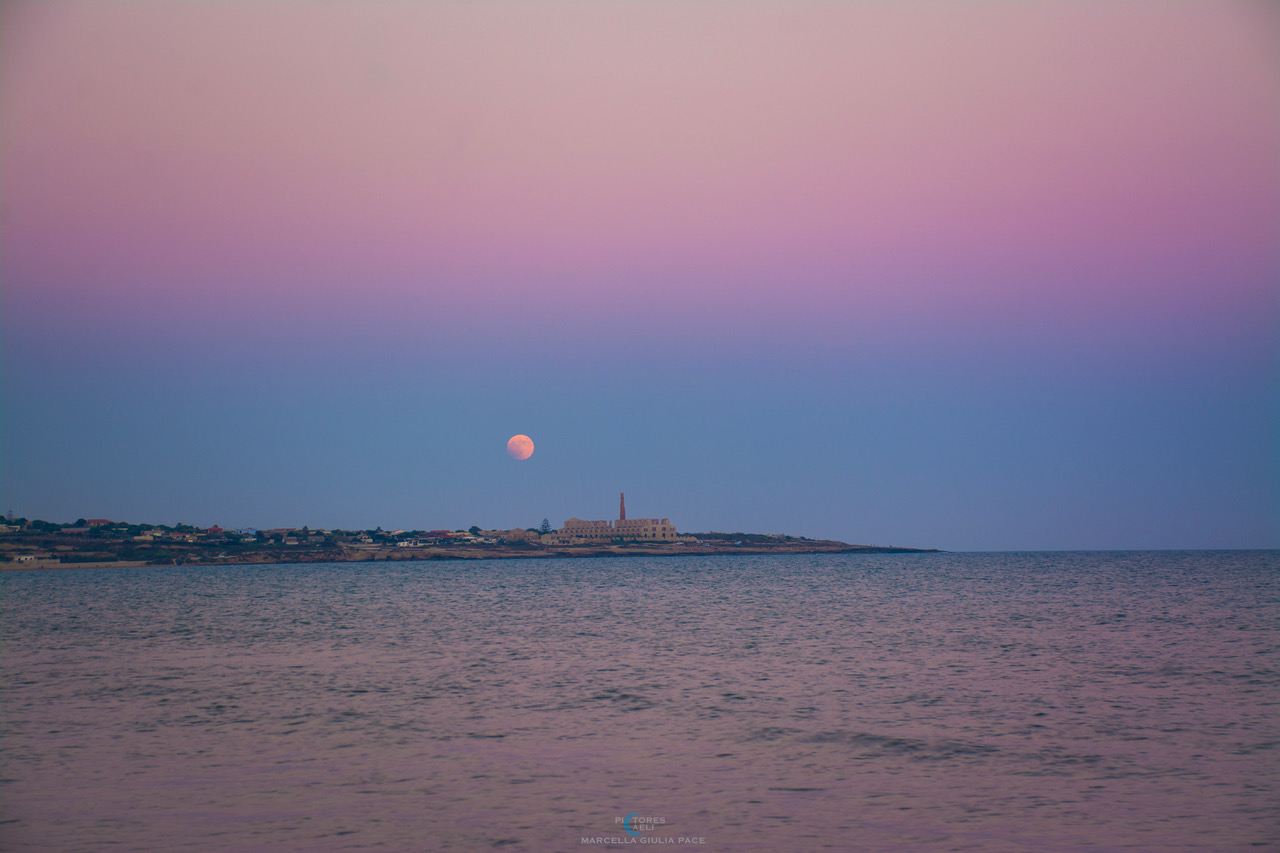
A sunset sky over Sicily is shown with, from top to bottom, a pink 
atmospheric band, a blue atmospheric band containing the Moon, a band
with land containing buildings, and a band of water reflecting the 
pink and blue atmospheric bands.
Please see the explanation for more detailed information.

Shadows of Earth
Image Credit & Copyright: Marcella Giulia Pace

Explanation: Can you find two Earth shadows in today's image? It's a bit tricky. To find the first shadow, observe that the top part of the atmosphere appears pink and the lower part appears blue. This is because the top half is exposed to direct sunlight, while the lower part is not. The purple area in between is known as the Belt of Venus, even though Venus can only appear on the other side of the sky, near the Sun. The blue color of the lower atmosphere is caused by the Earth blocking sunlight, creating Earth shadow number 1. Now, where is the second Earth shadow? Take a look at the Moon. Do you notice something unusual about the lower left part? That area appears unusually dark because it is in the shadow of the Earth, creating Earth shadow number 2. To be precise, the Moon was captured during a lunar eclipse. This carefully timed image was taken in SampieriSicilyItaly, in July 2018.

MUSIC - Vangelis - Conquest of Paradise

"Conquest of Paradise"

08/05/2023

ASTRONOMY - The Spanish Dancer Spiral Galaxy

 2023 May 8

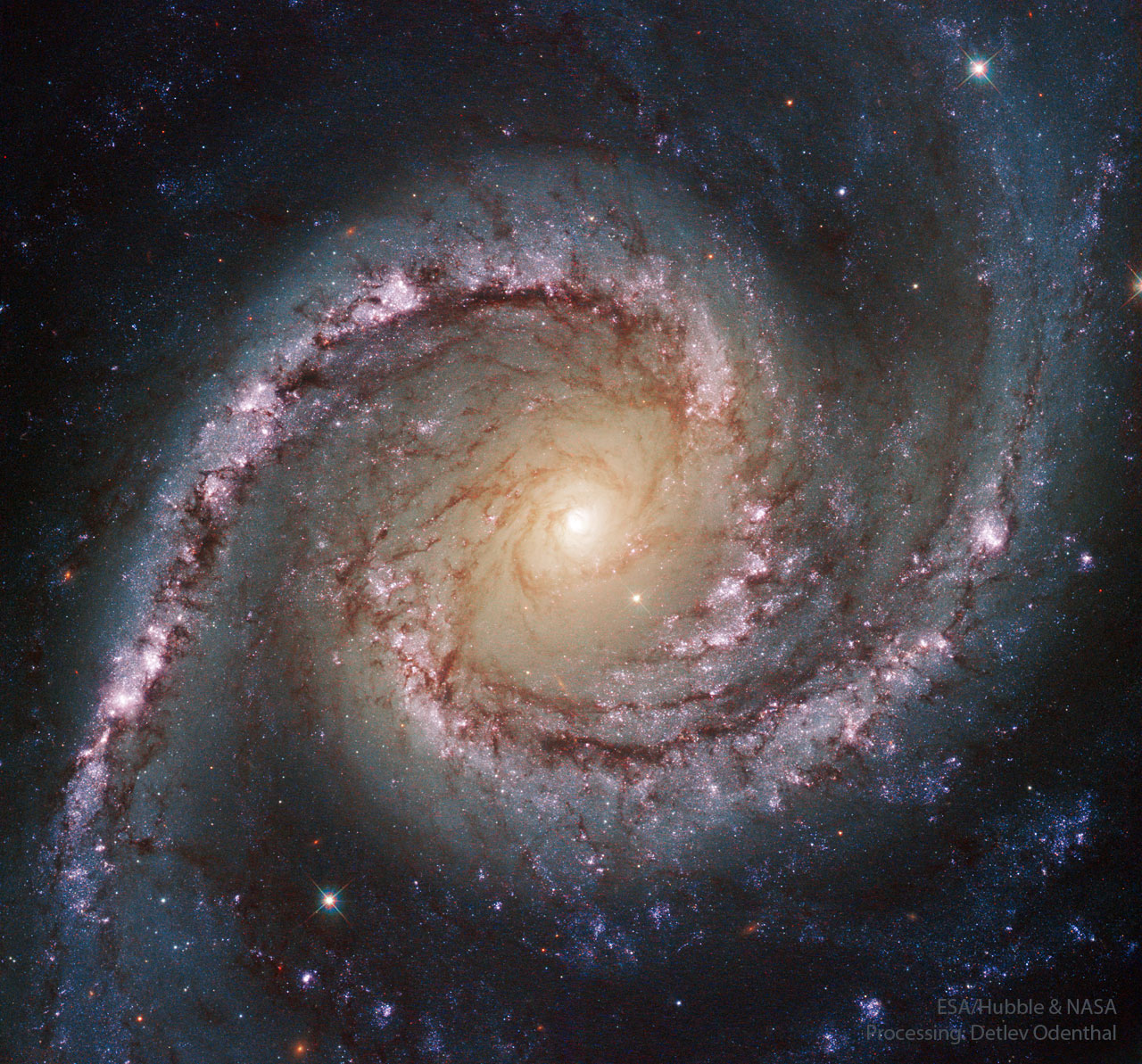
A majestic spiral galaxy is shown with spirals of bright
blue stars, bright red nebulae, and dark dust.
Please see the explanation for more detailed information.

The Spanish Dancer Spiral Galaxy
Image Credit: ESANASAHubbleProcessing: Detlev Odenthal

Explanation: If not perfect, then this spiral galaxy is at least one of the most photogenic. An island universe containing billions of stars and situated about 40 million light-years away toward the constellation of the Dolphinfish (Dorado), NGC 1566 presents a gorgeous face-on view. Classified as a grand design spiral, NGC 1566 shows two prominent and graceful spiral arms that are traced by bright blue star clusters and dark cosmic dust lanes. Numerous Hubble Space Telescope images of NGC 1566 have been taken to study star formationsupernovas, and the spiral's unusually active center. Some of these images, stored online in the Hubble Legacy Archive, were freely downloaded, combined, and digitally processed by an industrious amateur to create the featured image. NGC 1566's flaring center makes the spiral one of the closest and brightest Seyfert galaxies, likely housing a central supermassive black hole wreaking havoc on surrounding stars and gas.

06/05/2023

GEMMOLOGIE - La précieuse émeraude verte


L'émeraude est une des quatre pierres précieuses. Sa couleur verte caractéristique provient de traces de chrome, de vanadium et parfois de fer. Sa formation nécessite des conditions géologiques exceptionnelles, ce qui la rend très rare. Couleur : vert.

© Rob Lavinsky, Wikimedia Commons, CC by-sa 3.0

AERONAUTIQUE - Avions de légende - Le Stampe SV-4, l'avion biplan d'école devenu voltigeur


Imaginez une voiture d'auto-école grâce à laquelle des conducteurs deviendraient champions du monde de rallye automobile. C'est l'histoire du Stampe & Vertongen SV-4. Dessiné en Belgique dans les années 1930 par Jean Stampe et Alfred Renard, il a été commercialisé à quelques exemplaires dans son pays natal et au Royaume-Uni. Environ 850 ont été construits à partir de 1946, en France par la SNCAN (Société nationale de constructions aéronautiques du Nord), et en Algérie par les AIA (Ateliers industriels de l'aéronautique).

Le biplan, maniable et démonstratif, a servi d'avion d'école de début pour les futurs pilotes professionnels, civils et militaires. Leurs moniteurs inventent avec lui une nouvelle voltige et le SV-4A sera régulièrement champion du monde jusque dans les années 1960. Quasiment donné aux aéroclubs français, il a formé des milliers de pilotes amateurs. À partir des années 1980, il devient un avion culte, amoureusement restauré, et certains en refabriquent. Pourquoi le Stampe vole-t-il encore aujourd'hui ? Parce que c'est un merveilleux avion.

© Le Vieux Biplan
FuturaSciences

ART FRACTAL - L'ensemble de Mandelbrot, la plus célèbre fractale


Que se passe-t-il lorsque la foudre touche une mosquée ? Avec ses couleurs chatoyantes dans les tons bleus et jaunes, cette image semble donner la réponse. Il s'agit en réalité d'un détail de l'ensemble de Mandelbrot, une fractale complexe très étudiée. 

© Futura

ASTRONOMIE - Astres de la Voie Lactée - GJ 436b - Une géante gazeuse


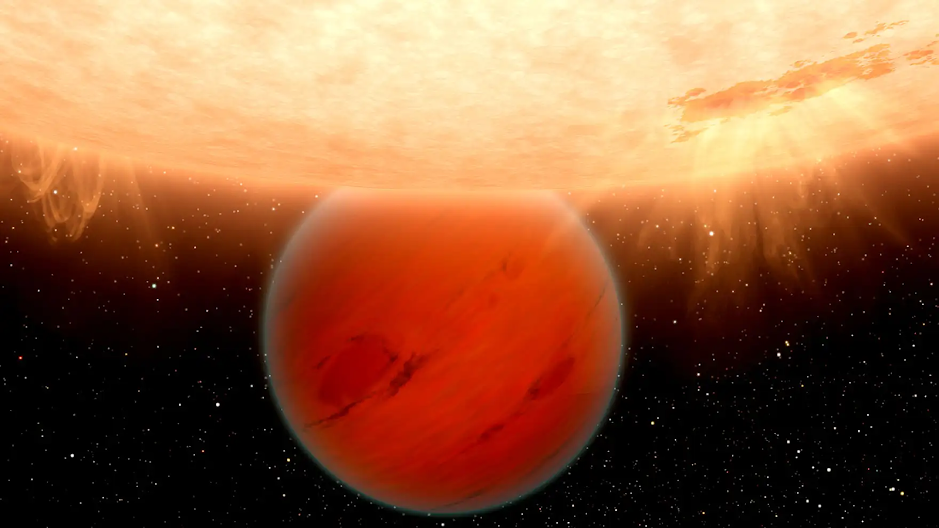
L'exoplanète GJ 436b a été découverte grâce au satellite Spitzer. Située à 33 années-lumière de la Terre, cette géante gazeuse, représentée ici par une vue d'artiste, secoue le monde de la planétologie. Alors que les lois de la thermochimie impliquaient qu'une planète de ce type devrait être riche en méthane et pauvre en monoxyde de carbone (CO), comme c'est le cas dans le Système solaire, GJ 436b contredit tous les modèles actuels. En effet, les observations de cette planète ne montrent pas de traces de méthane et, à l'inverse, une abondance de CO.

© Nasa, DP

ASTRONOMY - Twilight in a Flower

 2023 May 6

See Explanation.  Clicking on the picture will download
the highest resolution version available.

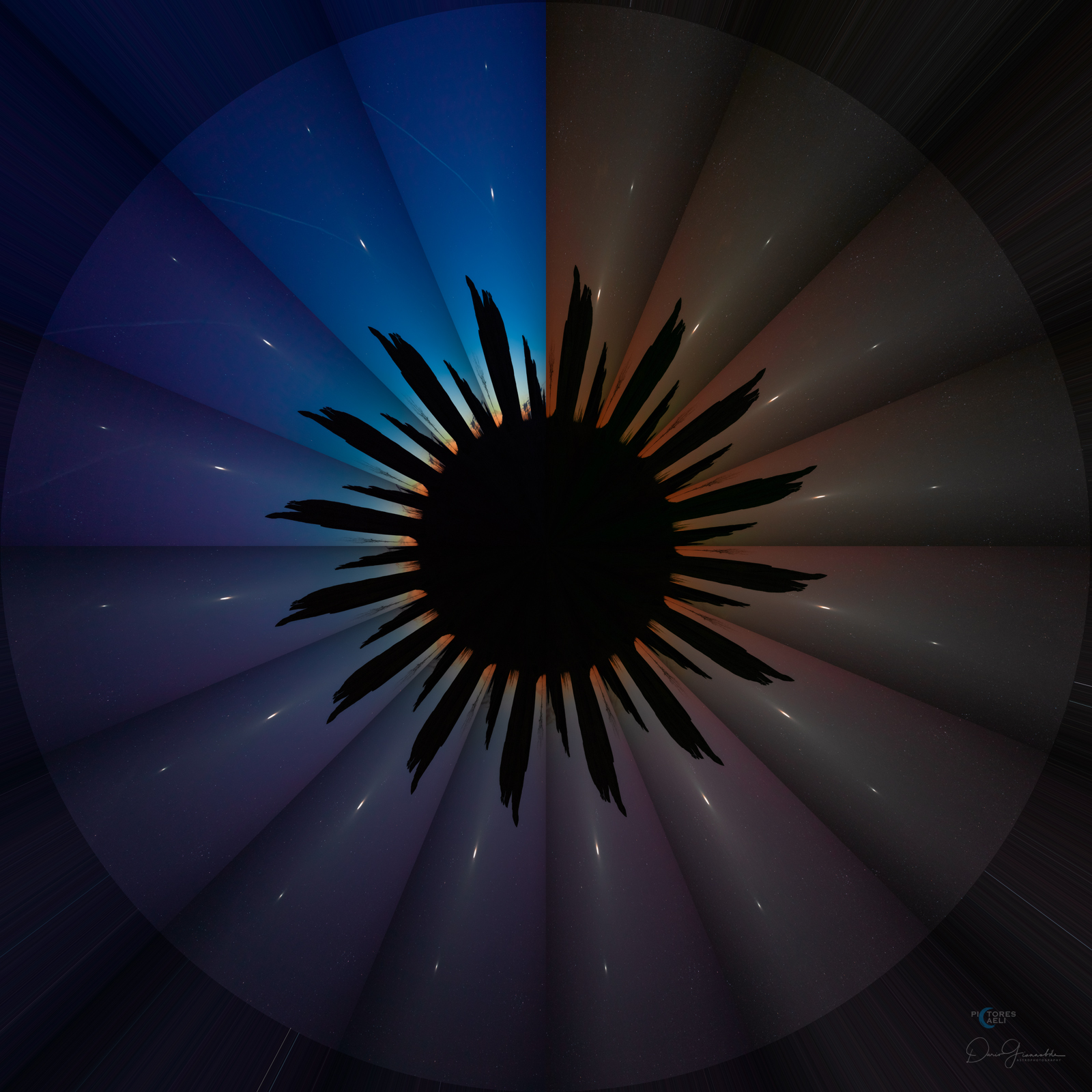
Twilight in a Flower
Image Credit & Copyright: Dario Giannobile

Explanation: Transformed into the petals of a flower, 16 exposures show the passage of day into night in this creative timelapse skyscape. Start at the top and move counterclockwise to follow consecutive moments as the twilight sky turns an ever darker blue and night blossoms. Each exposure was recorded on the evening of April 22, calculated to maintain a consistent balance of light and color. Close to the western horizon on that date, a crescent Moon and Venus are the two brightest celestial beacons. Petal to petal the pair spiral closer to the flower's center. In silhouette around the center of the twilight flower are Sicily's megalithic rocks of Argimusco.

05/05/2023

ASTRONOMY - Shackleton from ShadowCam

 2023 May 5

See Explanation.  Clicking on the picture will download
the highest resolution version available.

Shackleton from ShadowCam
Image Credit: NASAShadowCamKorea Aerospace Research InstituteArizona State University

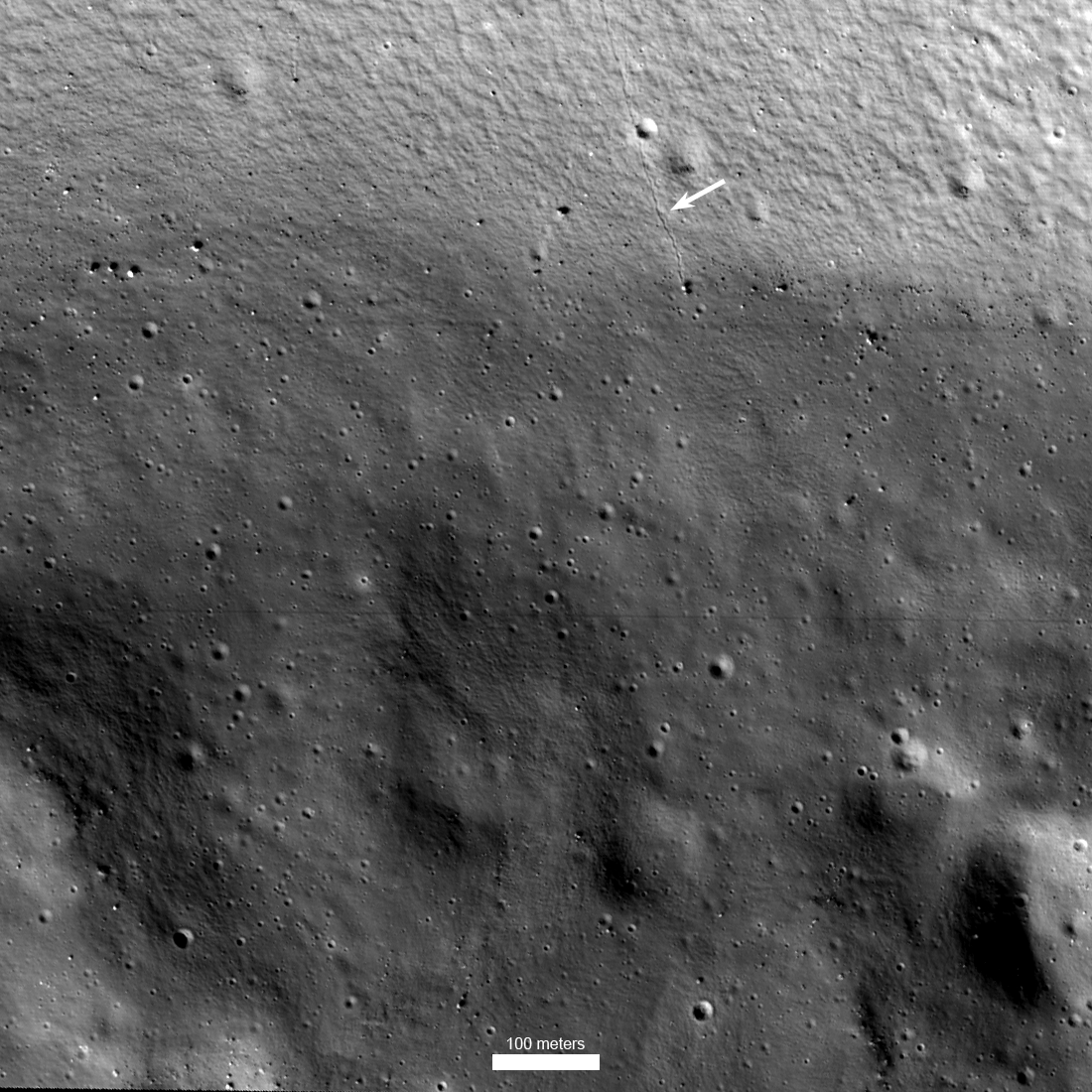
Explanation: Shackleton crater lies at the lunar south pole. Peaks along the 21 kilometer diameter are in sunlight, but Shackleton's floor is in dark permanent shadow. Still, this image of the shadowed rim wall and floor of Shackleton crater was captured from NASA's ShadowCam, an instrument on board the Korea Pathfinder Lunar Orbiter (KPLO) launched in August 2022. About 200 times more sensitive than, for example, the Lunar Reconnaissance Orbiter's Narrow Angle Camera, ShadowCam was designed image the permanently shadowed regions of the lunar surface. Avoiding direct sunlight, those regions are expected to be reservoirs of water-ice and other volatiles deposited by ancient cometary impacts and useful to future Moon missions. Of course, the permanently shadowed regions are still illuminated by reflections of sunlight from nearby lunar terrain. In this stunningly detailed ShadowCam image, an arrow marks the track made by a single boulder rolling down Shackleton crater's wall. The image scale is indicated at the bottom of the frame.

ASTRONOMY - Galle: Happy Face Crater on Mars

2026 February 1 Galle: Happy Face Crater on Mars Image Credit:  NASA ,  MGS ,  MSSS Explanation:  Mars  has put on a happy face. The Martian...