Nombre total de pages vues
05/09/2024
PHENOMENES METEOROLOGIQUES - Un pont entre ciel et terre fait de pluie et de grêle
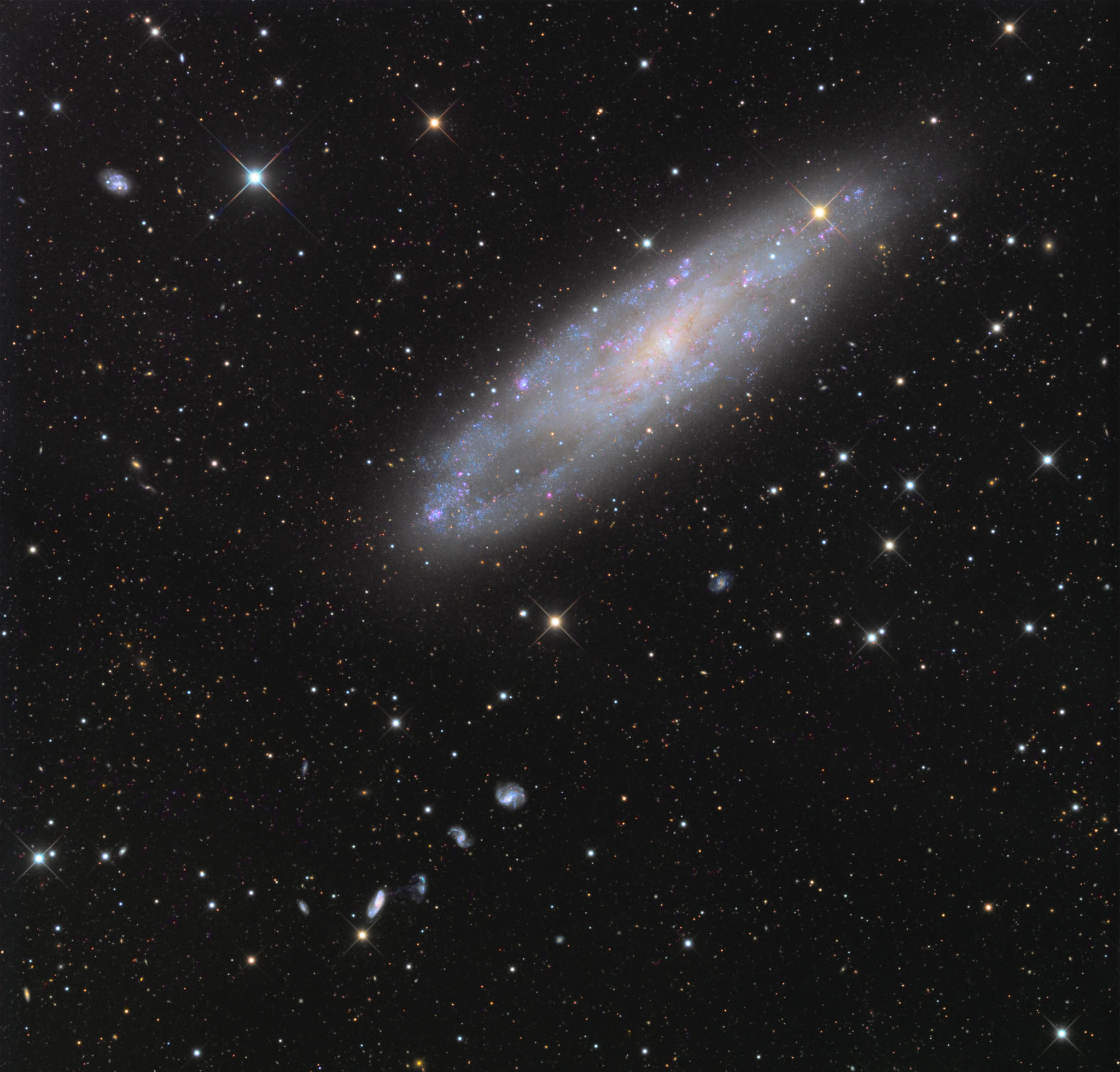
ASTRONOMY - NGC 247 and Friends
2024 September 5
Image Credit & Copyright: Acquisition - Eric Benson, Processing - Dietmar Hager
Explanation: About 70,000 light-years across, NGC 247 is a spiral galaxy smaller than our Milky Way. Measured to be only 11 million light-years distant it is nearby though. Tilted nearly edge-on as seen from our perspective, it dominates this telescopic field of view toward the southern constellation Cetus. The pronounced void on one side of the galaxy's disk recalls for some its popular name, the Needle's Eye galaxy. Many background galaxies are visible in this sharp galaxy portrait, including the remarkable string of four galaxies just below and left of NGC 247 known as Burbidge's Chain. Burbidge's Chain galaxies are about 300 million light-years distant. NGC 247 itself is part of the Sculptor Group of galaxies along with shiny spiral NGC 253.
04/09/2024
PHENOMENES METEOROLOGIQUES - Un chemin dans les nuages
INVENTIONS DE DEMAIN - Et voici l'antenne solaire !
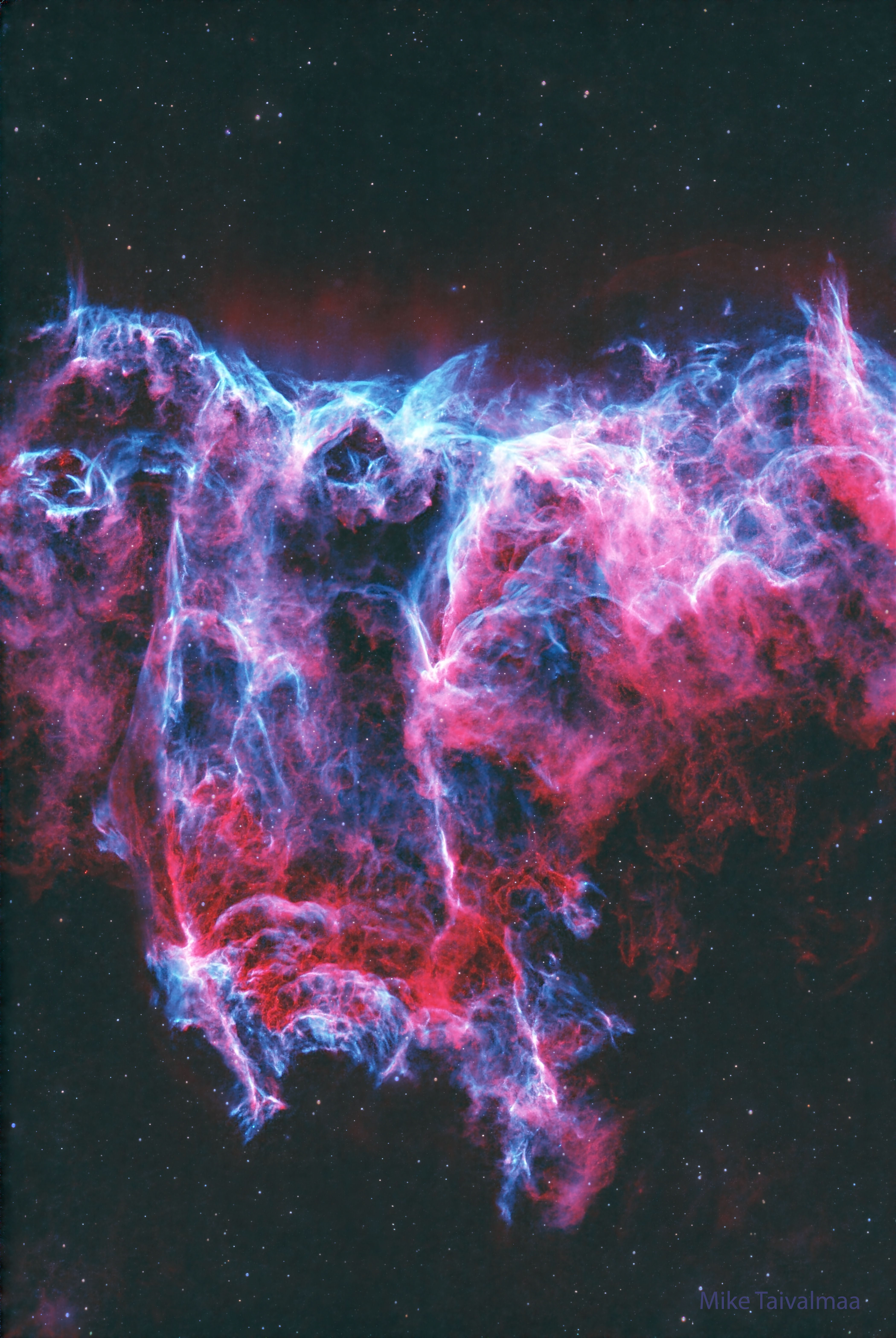
ASTRONOMY - NGC 6995: The Bat Nebula
Image Credit & Copyright: Mike Taivalmaa
Explanation: Can you see the bat? It haunts this cosmic close-up of the eastern Veil Nebula. The Veil Nebula itself is a large supernova remnant, the expanding debris cloud from the death explosion of a massive star. While the Veil is roughly circular in shape and covers nearly 3 degrees on the sky toward the constellation of the Swan (Cygnus), NGC 6995, known informally as the Bat Nebula, spans only 1/2 degree, about the apparent size of the Moon. That translates to 12 light-years at the Veil's estimated distance, a reassuring 1,400 light-years from planet Earth. In the composite of image data recorded through narrow band filters, emission from hydrogen atoms in the remnant is shown in red with strong emission from oxygen atoms shown in hues of blue. Of course, in the western part of the Veil lies another seasonal apparition: the Witch's Broom Nebula.
03/09/2024
POISSONS EXOTIQUES - Le chelmon à bec médiocre
PLANTES FASCINANTES - Psychotria elata - la plante à bisous
PHENOMENES METEOROLOGIQUES - Arc-en-ciel et tempête en vue
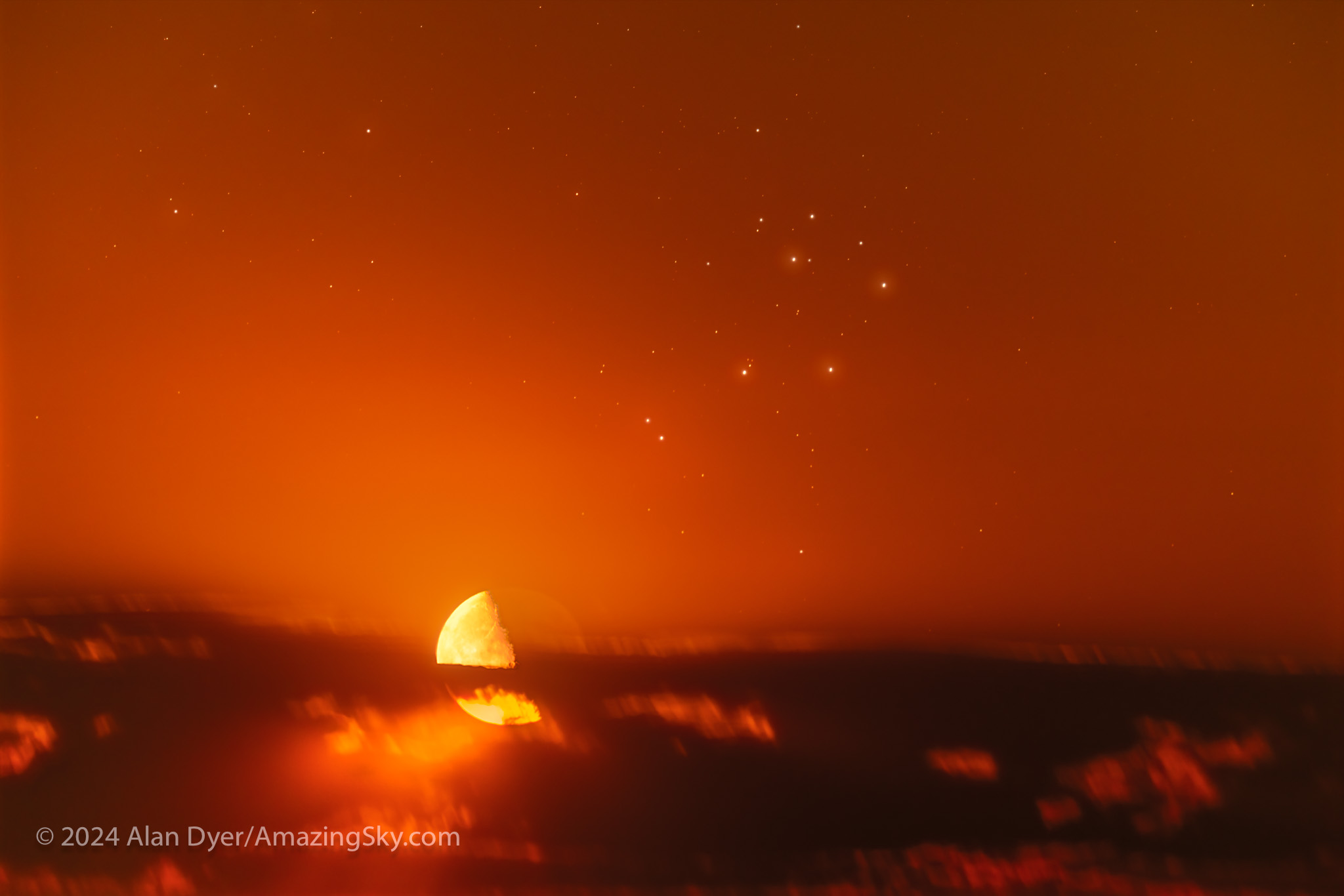
ASTRONOMY - Quarter Moon and Sister Stars
2024 September 3
Image Credit & Copyright: Alan Dyer, TWAN
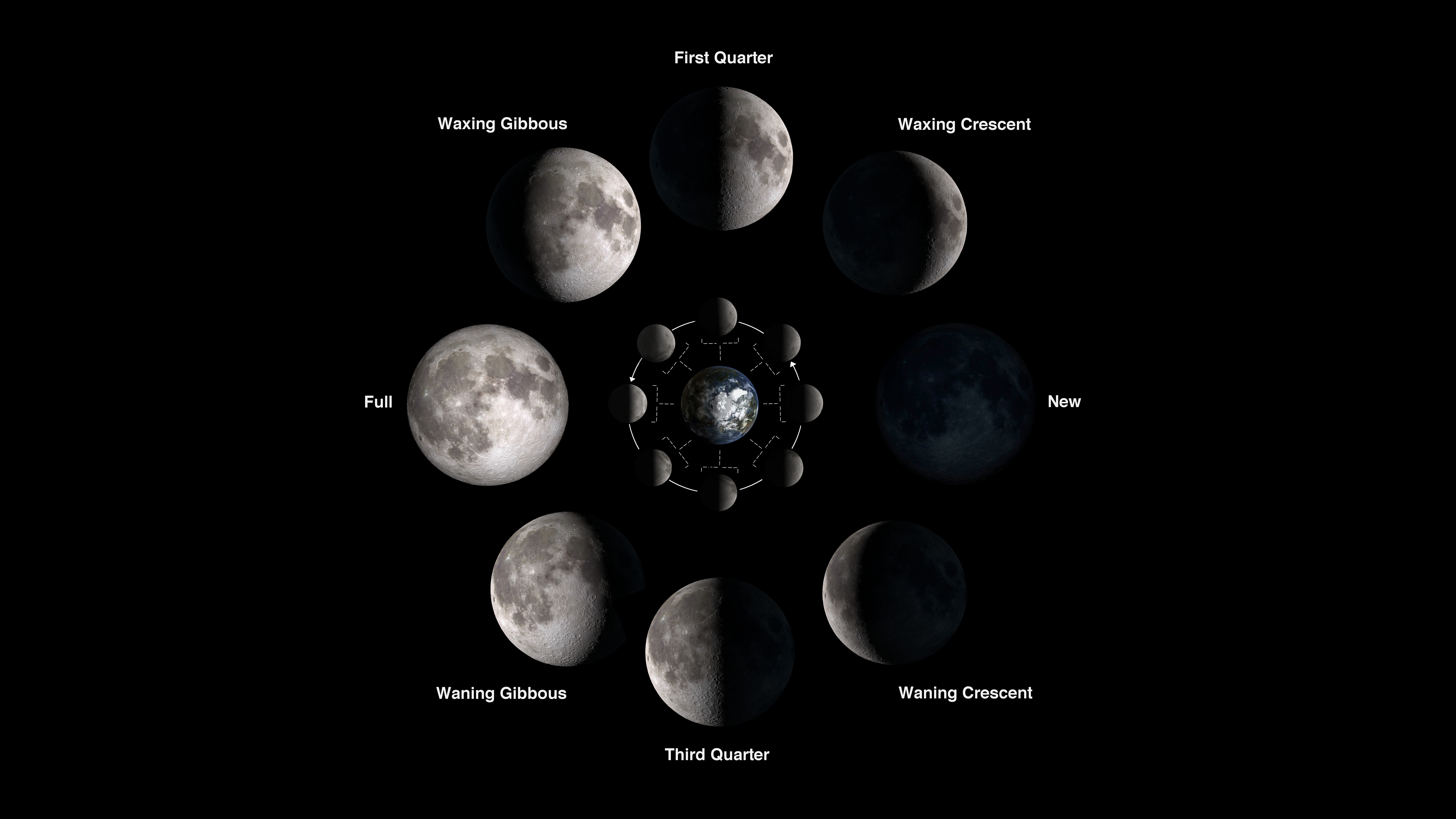
Explanation: Nine days ago, two quite different sky icons were imaged rising together. Specifically, Earth's Moon shared the eastern sky with the sister stars of the Pleiades cluster, as viewed from Alberta, Canada. Astronomical images of the well-known Pleiades often show the star cluster's alluring blue reflection nebulas, but here they are washed-out by the orange moonrise sky. The half-lit Moon, known as a quarter moon, is overexposed, although the outline of the dim lunar night side can be seen by illuminating earthshine, light first reflected from the Earth. The featured image is a composite of eight successive exposures with brightnesses adjusted to match what the human eye would see. The Moon passes nearly -- or directly -- in front of the Pleaides once a month.
02/09/2024
POISSONS EXOTIQUES - L'Oscar
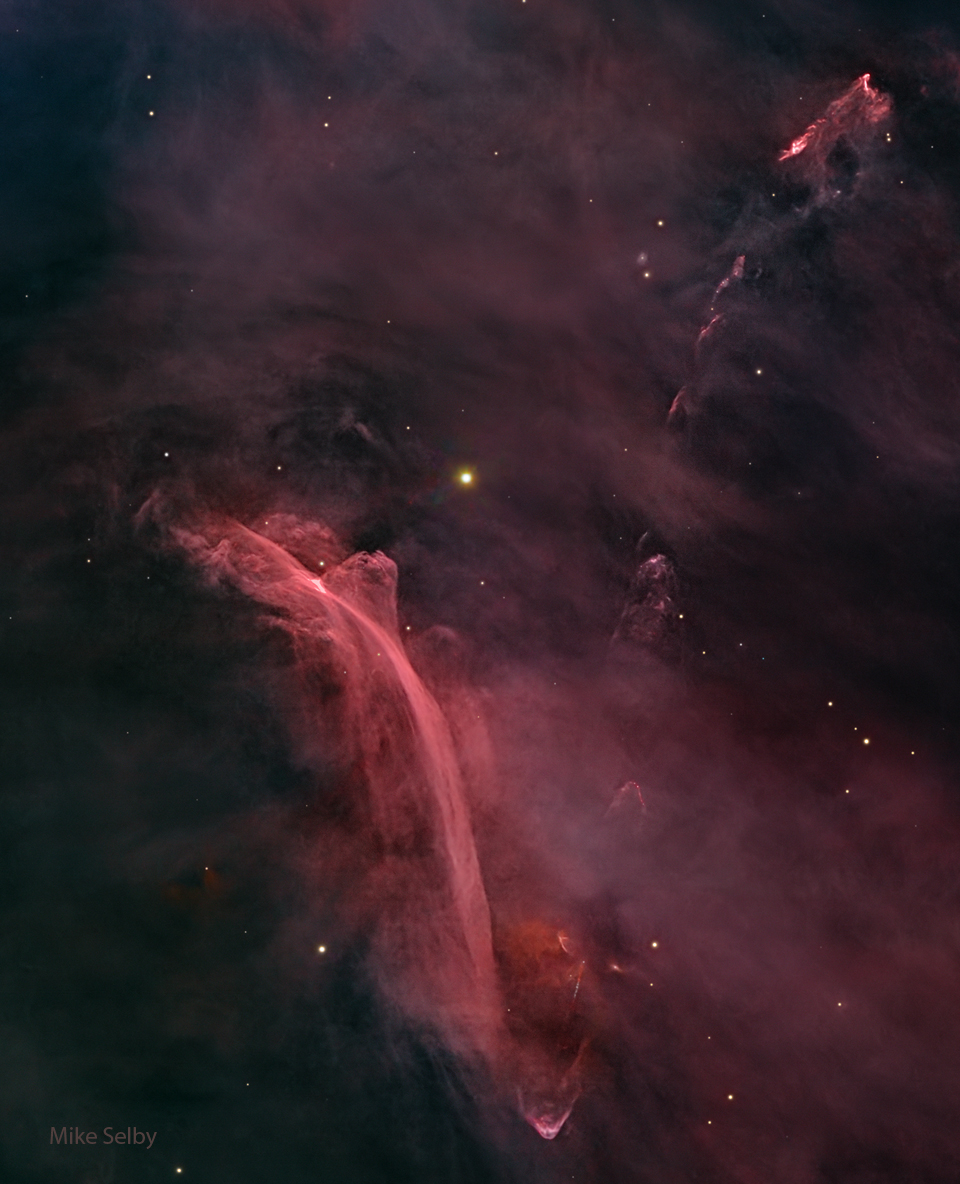
ASTRONOMY - HH-222: The Waterfall Nebula
2025 December 31 HH-222: The Waterfall Nebula Image Credit & Copyright: Mike Selby Explanation: What created the Waterfall Nebula? Th...
-
2022 September 26 All the Water on Planet Earth Illustration Credit: Jack Cook, Adam Nieman, Woods Hole Oceanographic Institution ; Data ...
-
2025 May 11 The Surface of Venus from Venera 14 Image Credit: Soviet Planetary Exploration Program , Venera 14 ; Processing & Copyri...