Le
Le glyphosate est un désherbant très répandu produit par Monsanto. Il est reconnu comme cancérigène probable par le Centre international de recherche sur le cancer de l’OMS. Aussi incroyable que cela puisse paraître, du glyphosate a été détecté dans 85 % des produits d’hygiène intime en coton.
En plus du glyphosate, 62 % des échantillons testés se sont révélés positifs à l’AMPA (ou acide aminométhylphosphonique), un dérivé du glyphosate. Les échantillons qui comportaient de la gaze, des cotons-tiges des lingettes et des produits d’hygiène intime féminine, comme des tampons et des serviettes hygiéniques, ont été achetés dans les supermarchés et les pharmacies locales de la région de Plata en Argentine. Les résultats ont été présentés à l’occasion du 3e Congrès des Médecins des Villes Traitées par Fumigation, à Buenos Aires. « 85 % de l’ensemble des échantillons ont été testés positifs au glyphosate, mais dans le cas du coton et des gazes stériles de coton, le taux est de 100 % », précise le Dr Damian Marino, responsable de l’étude, à l’agence de presse Telam. « Nous avons pu constater, en ce qui concerne la concentration, que l’AMPA domine dans le coton brut (39 parties par milliard – PPB - et 13 PPB pour le glyphosate). Bien que la gaze ne contienne pas d’AMPA, son taux en glyphosate s’élève néanmoins à 17 parties par milliard. »
Pourquoi c'est dangereux ?
Le Dr Medardo Avila Vazquez, président du congrès, a déclaré que les résultats de cette étude étaient « préoccupants dans la mesure où vous utilisez du coton et de la gaze pour soigner des blessures ou pour des raisons d’hygiène en pensant qu’ils sont stérilisés. Les résultats montrent qu'ils sont contaminés par une substance probablement cancérigène. » La majorité du coton produit dans ce pays est génétiquement modifié pour devenir résistant au glyphosate. Celui-ci est pulvérisé quand le bourgeon s’ouvre. Le glyphosate va directement dans le plant de coton.
C'est le désherbant le plus répandu dans les cultures aux États-Unis. Le coton, le soja, et le maïs ont tous été génétiquement modifiés pour résister à la diffusion de cet herbicide. Dans les faits, les agriculteurs ont pulvérisé 1,2 milliard de kilos d’herbicide à base de glyphosate de Monsanto, sur les terres agricoles aux États-Unis entre 1992 et 2012 selon le US Geological Survey. En 2015, le ministère de l’Agriculture américain a estimé que la culture de variétés génétiquement modifiées représente 94 % de la surface cultivée en coton.
Quelles sont les alternatives sans risque ?
Vous ne voulez plus utiliser de tampons ? C’est tout à fait possible !
Connaissez-vous les
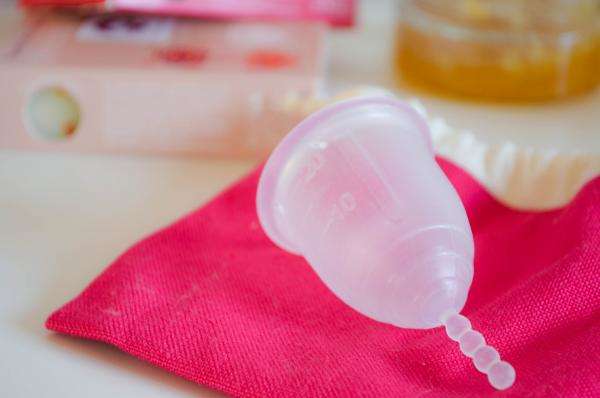
coupes menstruelles, les
serviettes hygiéniques lavables ou encore les
éponges naturelles ? Ce sont des alternatives sans danger pour votre santé. Vous pouvez opter également pour des tampons estampillés « bio » composés entièrement de coton biologique. Celui-ci n’est pas blanchi au chlore. Et il est sans plastique ni parfum. Vous pouvez les trouver dans les pharmacies, les magasins bio, ou encore sur Internet.
NB : une pétition a été lancée par un particulier en France pour exiger l’affichage de la composition des tampons d’une très grande marque. La pétition en ligne a déjà reçu plus de 265 211 soutiens ! Vous pouvez
la trouver ici.
CommentEconomiser