Nombre total de pages vues
22/05/2024
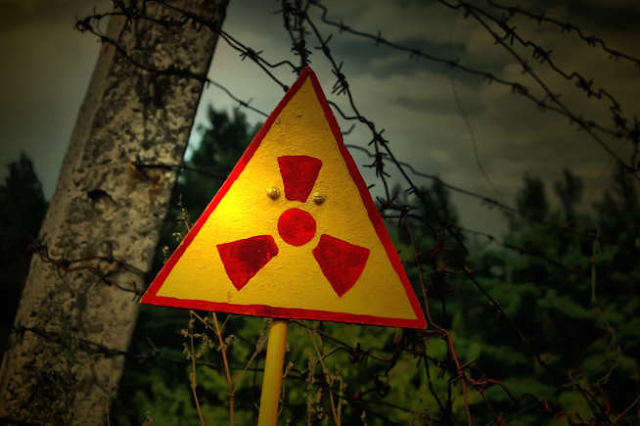
NUCLEAIRE - Comment survivre à une explosion nucléaire ? 15 minutes avant les retombées des radiations nucléaires
ASTRONOMY - Green Aurora over Sweden
2024 May 22
Image Credit & Copyright: Göran Strand
Explanation: It was bright and green and stretched across the sky. This striking aurora display was captured in 2016 just outside of Östersund, Sweden. Six photographic fields were merged to create the featured panorama spanning almost 180 degrees. Particularly striking aspects of this aurora include its sweeping arc-like shape and its stark definition. Lake Storsjön is seen in the foreground, while several familiar constellations and the star Polaris are visible through the aurora, far in the background. Coincidently, the aurora appears to avoid the Moon visible on the lower left. The aurora appeared a day after a large hole opened in the Sun's corona, allowing particularly energetic particles to flow out into the Solar System. The green color of the aurora is caused by oxygen atoms recombining with ambient electrons high in the Earth's atmosphere.
21/05/2024
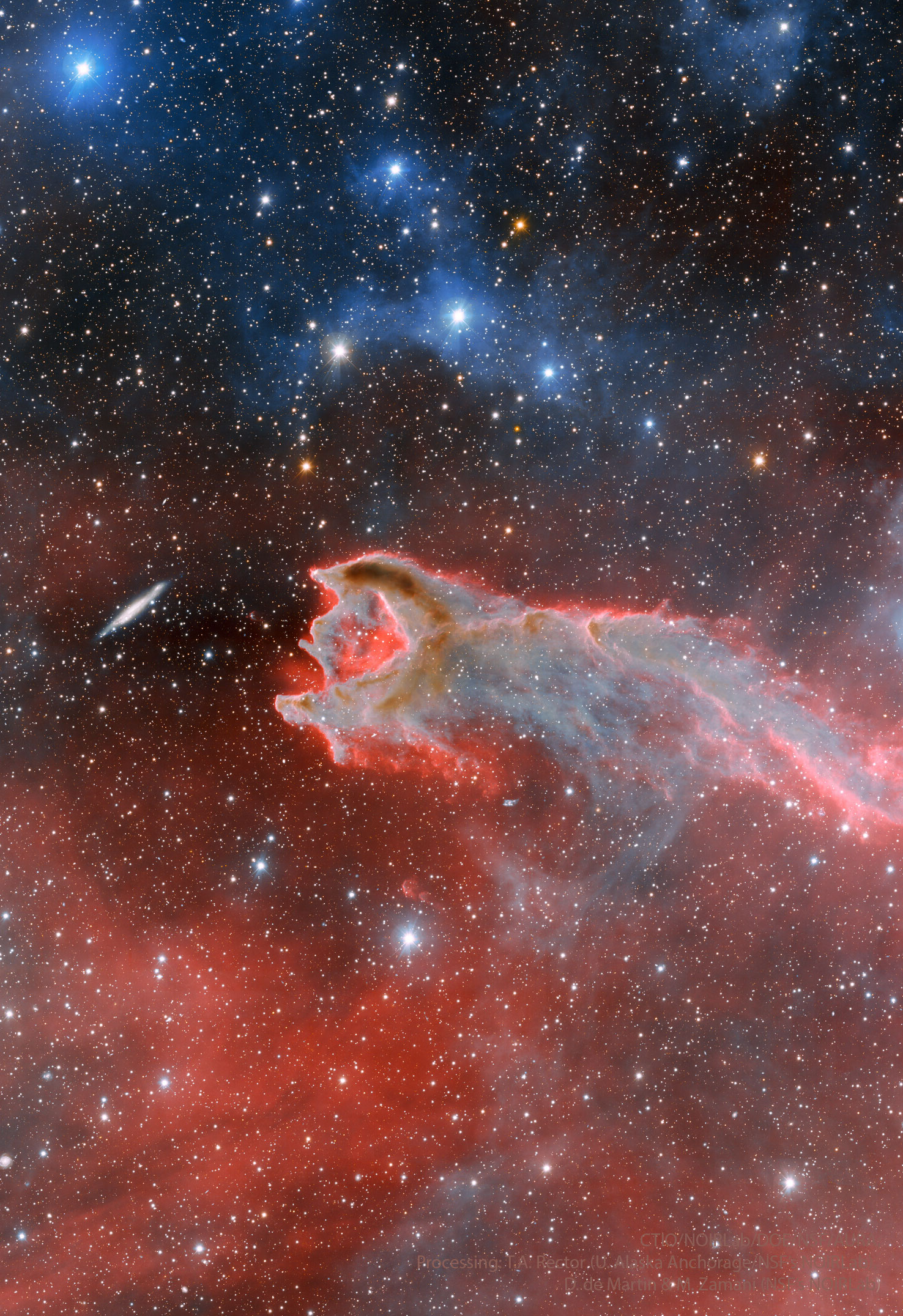
ASTRONOMY - CG4: The Globule and the Galaxy
2024 May 21
Image Credit: CTIO, NOIRLab, DOE, NSF, AURA; Processing: T. A. Rector (U. Alaska Anchorage/NSF’s NOIRLab), D. de Martin & M. Zamani (NSF’s NOIRLab)
Explanation: Can a gas cloud eat a galaxy? It's not even close. The "claw" of this odd looking "creature" in the featured photo is a gas cloud known as a cometary globule. This globule, however, has ruptured. Cometary globules are typically characterized by dusty heads and elongated tails. These features cause cometary globules to have visual similarities to comets, but in reality they are very much different. Globules are frequently the birthplaces of stars, and many show very young stars in their heads. The reason for the rupture in the head of this object is not yet known. The galaxy to the left of the globule is huge, very far in the distance, and only placed near CG4 by chance superposition.
NUCLEAIRE - Comment survivre à une explosion nucléaire ? Si vous êtes en voiture
20/05/2024
SANTé/MEDECINE - Virus et bactéries mortels - Le virus Marburg, une vraie machine à tuer
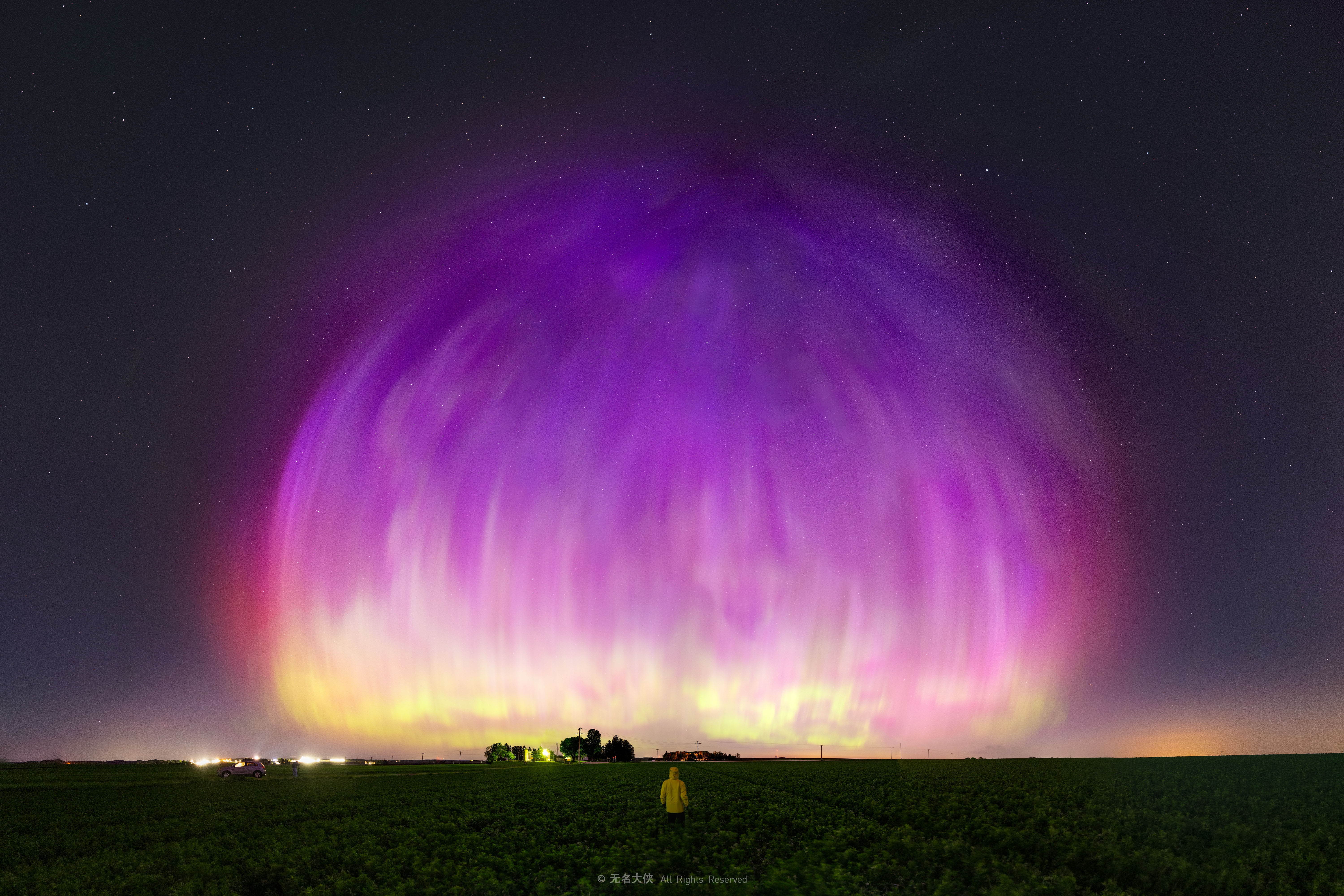
ASTRONOMY - Aurora Dome Sky
2024 May 20
Image Credit & Copyright: Xuecheng Liu & Yuxuan Liu
Explanation: It seemed like night, but part of the sky glowed purple. It was the now famous night of May 10, 2024, when people over much of the world reported beautiful aurora-filled skies. The featured image was captured this night during early morning hours from Arlington, Wisconsin, USA. The panorama is a composite of several 6-second exposures covering two thirds of the visible sky, with north in the center, and processed to heighten the colors and remove electrical wires. The photographer (in the foreground) reported that the aurora appeared to flow from a point overhead but illuminated the sky only toward the north. The aurora's energetic particles originated from CMEs ejected from our Sun over sunspot AR 6443 a few days before. This large active region rotated to the far side of the Sun last week, but may well survive to rotate back toward the Earth next week.
NUCLEAIRE - Comment survivre à une explosion nucléaire ? Couvrez votre visage
19/05/2024
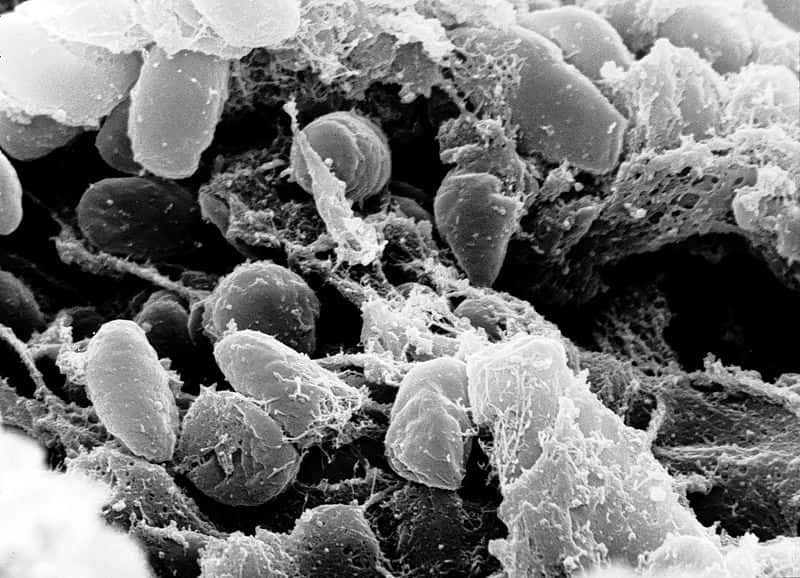
SANTé/MEDECINE - Virus et bactéries mortels - Yersinia pestis, la bactérie responsable des épidémies de peste
NUCLEAIRE - Comment survivre à une explosion nucléaire ? Les premières 30-45 minutes: protégez votre corps
ASTRONOMY - Jupiter Diving
2024 May 19
Animated Video Credit: NASA, JPL-Caltech, SwRI, MSSS, Gerald Eichstadt, Justin Cowart
Explanation: Take this simulated plunge and dive into the upper atmosphere of Jupiter, the Solar System's ruling gas giant. The awesome animation is based on image data from JunoCam, and the microwave radiometer on board the Jupiter-orbiting Juno spacecraft. Your view will start about 3,000 kilometers above the southern Jovian cloud tops, and you can track your progress on the display at the left. As altitude decreases, temperature increases while you dive deeper at the location of Jupiter's famous Great Red Spot. In fact, Juno data indicates the Great Red Spot, the Solar System's largest storm system, penetrates some 300 kilometers into the giant planet's atmosphere. For comparison, the deepest point for planet Earth's oceans is just under 11 kilometers down. Don't worry though, you'll fly back out again.
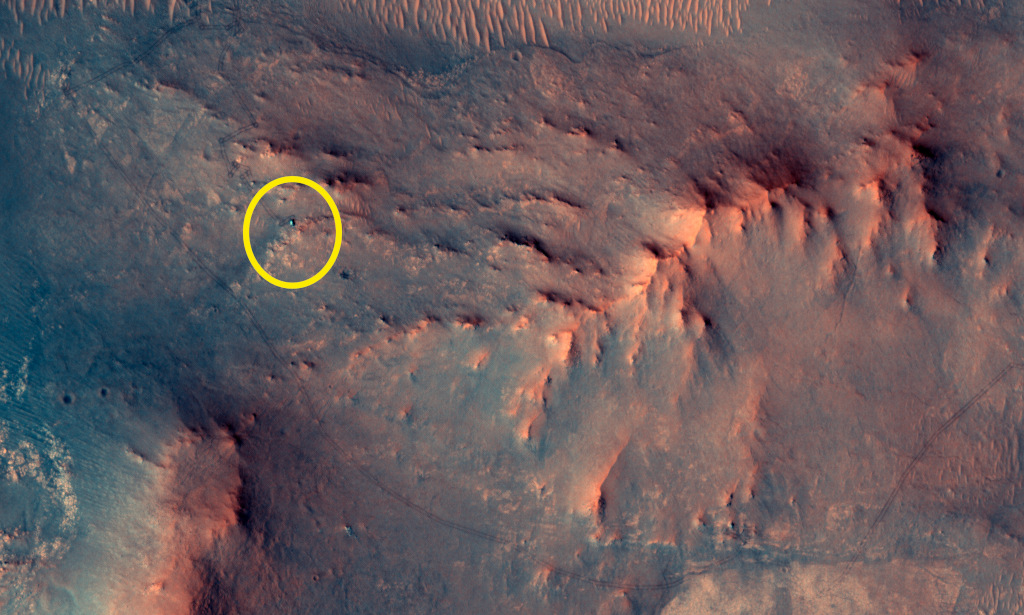
Astronomy - MARS MARATHON BY PERSEVERANCE
2026 June 27 Mars Marathon by Perseverance Image Credit: NASA , LPL (U. Arizona) , MRO , HiRISE Explanation: In this recent HiRISE view fro...
-
Imaginez un monde où le cancer n’est plus une sentence, mais une simple étape à franchir. Grâce à une découverte révolutionnaire, ce rêve es...
-
2026 January 1 Auroral Corona Image Credit & Copyright : Roi Levi Explanation: Cycle 25 solar maximum made 2025 a great year for ...