Nombre total de pages vues
20/05/2024
NUCLEAIRE - Comment survivre à une explosion nucléaire ? Couvrez votre visage
19/05/2024
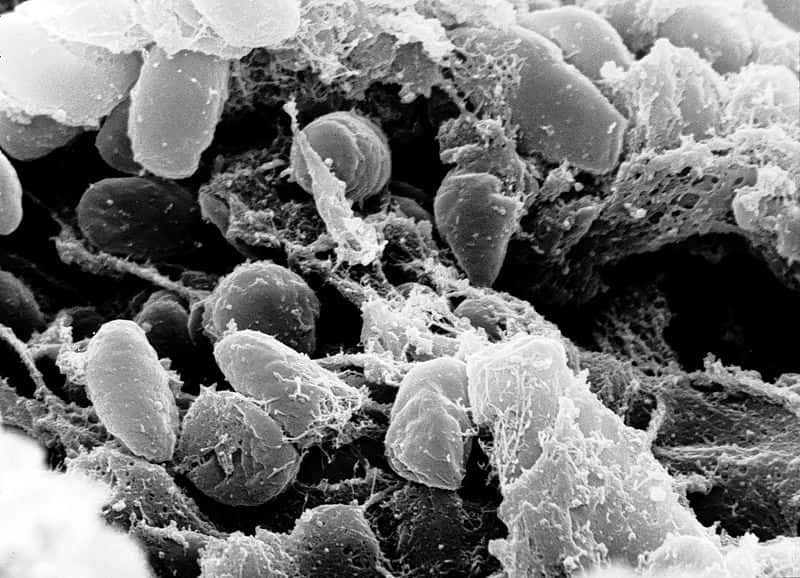
SANTé/MEDECINE - Virus et bactéries mortels - Yersinia pestis, la bactérie responsable des épidémies de peste
NUCLEAIRE - Comment survivre à une explosion nucléaire ? Les premières 30-45 minutes: protégez votre corps
ASTRONOMY - Jupiter Diving
2024 May 19
Animated Video Credit: NASA, JPL-Caltech, SwRI, MSSS, Gerald Eichstadt, Justin Cowart
Explanation: Take this simulated plunge and dive into the upper atmosphere of Jupiter, the Solar System's ruling gas giant. The awesome animation is based on image data from JunoCam, and the microwave radiometer on board the Jupiter-orbiting Juno spacecraft. Your view will start about 3,000 kilometers above the southern Jovian cloud tops, and you can track your progress on the display at the left. As altitude decreases, temperature increases while you dive deeper at the location of Jupiter's famous Great Red Spot. In fact, Juno data indicates the Great Red Spot, the Solar System's largest storm system, penetrates some 300 kilometers into the giant planet's atmosphere. For comparison, the deepest point for planet Earth's oceans is just under 11 kilometers down. Don't worry though, you'll fly back out again.
18/05/2024
SANTé/MEDECINE - Virus et bactéries mortels - Le virus de la rage
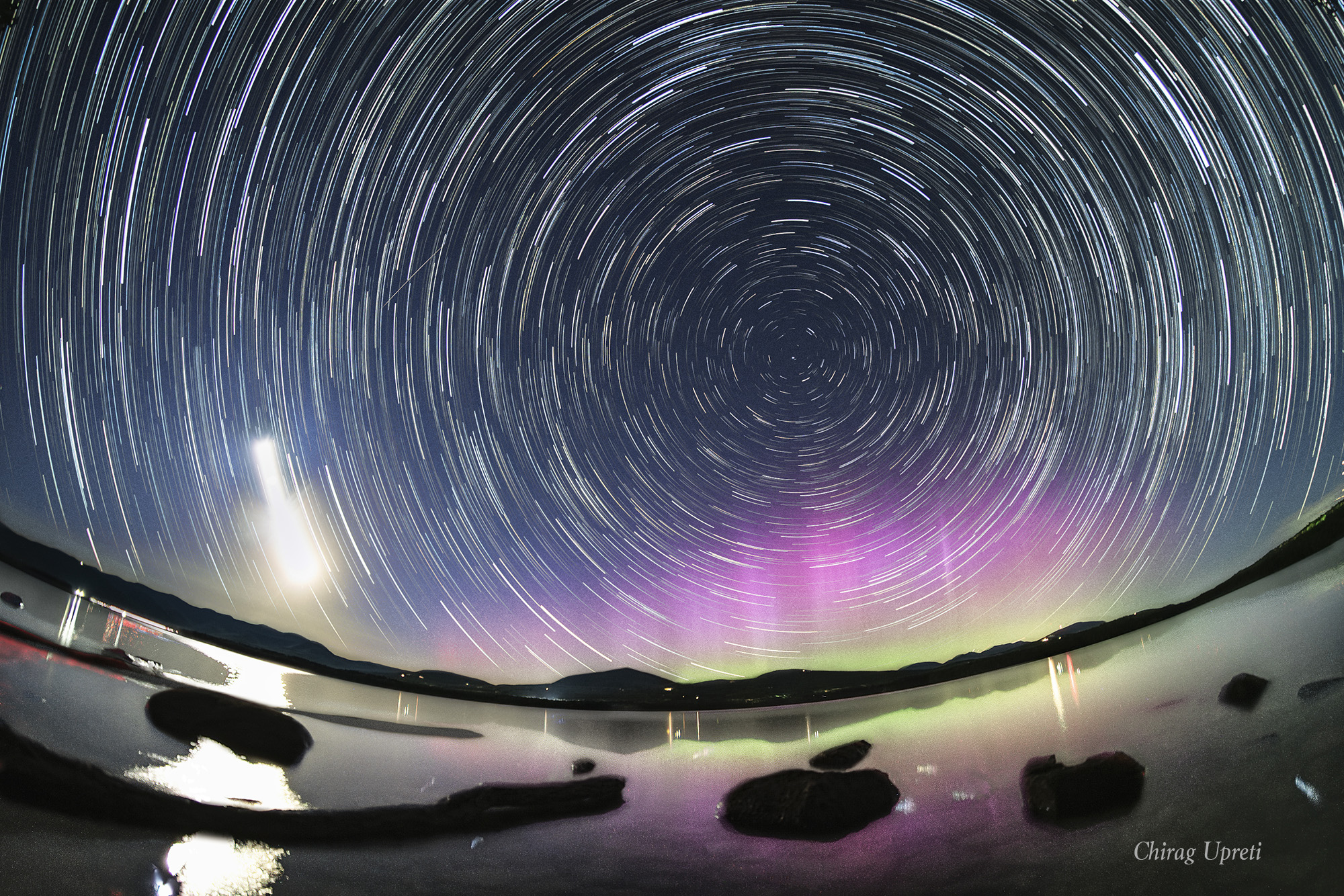
ASTRONOMY - North Celestial Aurora
2024 May 18
Image Credit & Copyright: Chirag Upreti
Explanation: Graceful star trail arcs reflect planet Earth's daily rotation in this colorful night skyscape. To create the timelapse composite, on May 12 consecutive exposures were recorded with a camera fixed to a tripod on the shores of the Ashokan Reservoir, in the Catskills region of New York, USA. North star Polaris is near the center of the star trail arcs. The broad trail of a waxing crescent Moon is on the left, casting a strong reflection across the reservoir waters. With intense solar activity driving recent geomagnetic storms, the colorful aurora borealis or northern lights, rare to the region, shine under Polaris and the north celestial pole.
NUCLEAIRE - Comment survivre à une explosion nucléaire ? À quoi cela ressemblerait ?
17/05/2024
ASTRONOMIE - Astres de la Voie Lactée - Mars
SANTé/MEDECINE - Virus et bactéries mortels - Le virus de l’hépatite B, cette MST terriblement infectieuse
NUCLEAIRE - Comment survivre à une explosion nucléaire ? - Comment l'information est divulguée ?
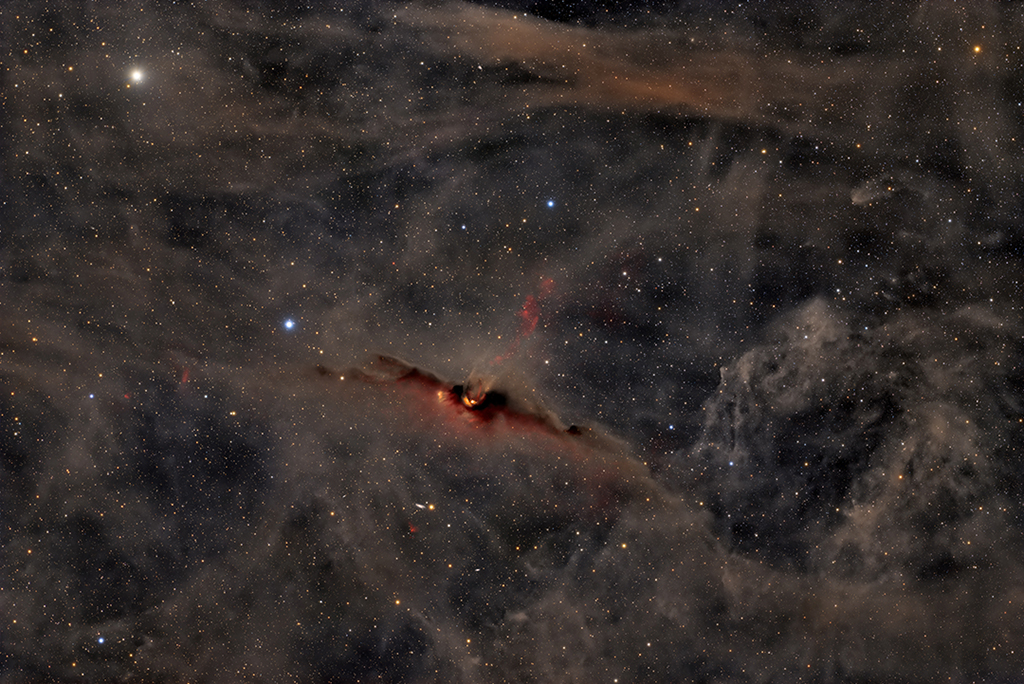
Astronomy - THE RED GLOW OF THE COSMIC BAT NEBULA
2026 July 9 The Red Glow of the Cosmic Bat Nebula Image Credit & Copyright: Humbert Cédric Text: Keighley Rockcliffe ( NASA GSFC , U...
-
2026 January 1 Auroral Corona Image Credit & Copyright : Roi Levi Explanation: Cycle 25 solar maximum made 2025 a great year for ...
-
2026 January 2 NanoSail-D2 Image Credit & Copyright : Ralf Vandebergh Explanation: In 2011, on January 20, NASA's NanoSail-D2 ...